Drywall is one of the most common building materials used in modern homes, but it’s also one of the most vulnerable when exposed to moisture. Even a small amount of water can weaken drywall, cause stains, promote mold growth, and compromise the structural integrity of walls and ceilings. Homeowners often underestimate how quickly moisture spreads behind surfaces, making drywall water damage repair a time-sensitive issue.
Understanding the most common causes of drywall water damage can help homeowners act quickly, minimize repair costs, and prevent long-term problems. Below, we’ll explore the primary sources of drywall water damage, how to recognize early warning signs, and why professional intervention is often necessary.
Plumbing Leaks Inside Walls
One of the most frequent causes of drywall damage is hidden plumbing leaks. Pipes run behind walls, under floors, and above ceilings, making leaks difficult to detect until visible damage appears. Even a slow drip can saturate drywall over time.
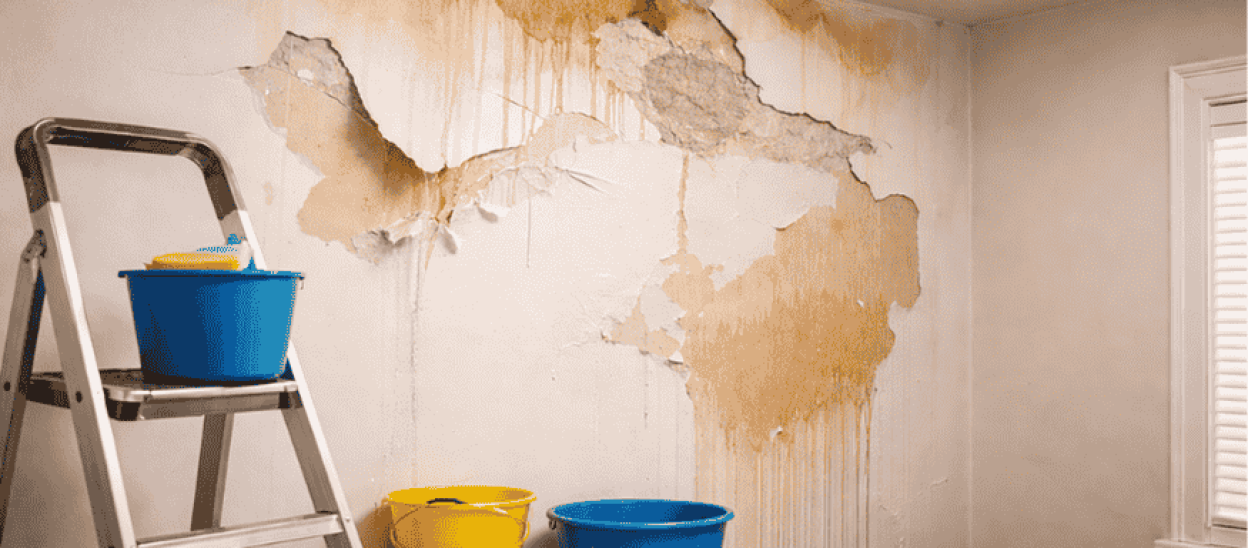
Signs of plumbing-related damage include discoloration, bubbling paint, soft wall surfaces, or a musty smell. If left untreated, leaks can lead to extensive water damage wall repair needs and mold growth inside wall cavities. Early detection and immediate repairs are crucial to avoid replacing large sections of drywall.
Roof Leaks and Storm Damage
Roof leaks are another major contributor to drywall damage, especially in areas with frequent storms or aging roofing systems. Water entering through damaged shingles, flashing, or roof seams often travels down into ceilings and upper walls.
Ceiling stains, sagging drywall, or peeling paint are common indicators. In many cases, homeowners must replace ceiling drywall water damage after prolonged exposure, particularly if insulation becomes soaked. Roof leaks often worsen gradually, making regular inspections essential.
Poor Bathroom Ventilation
Bathrooms generate high humidity levels from showers and baths. Without proper ventilation, moisture accumulates on walls and ceilings, eventually penetrating drywall. Over time, this can lead to discoloration, peeling paint, and mold growth.
This type of damage is common in older homes or bathrooms without exhaust fans. Persistent moisture often requires professional wet drywall repair to restore affected areas and prevent recurring damage.
Leaking Appliances
Household appliances such as washing machines, dishwashers, refrigerators, and water heaters are common sources of water damage. Hoses can crack, seals can fail, and unnoticed leaks can spread quickly to nearby drywall.
Laundry rooms, kitchens, and utility closets are especially vulnerable. When appliances leak slowly over time, drywall absorbs moisture silently until visible damage appears. Prompt appliance maintenance and inspection can reduce the need for major drywall repairs.
Foundation Cracks and Basement Moisture
Water intrusion from the foundation is a serious issue that often affects basement drywall. Cracks in foundation walls allow groundwater to seep in during heavy rain, saturating drywall and insulation.
Basement drywall damage is often accompanied by mold growth and a persistent damp odor. Addressing foundation issues alongside drywall water damage repair is critical to preventing repeated damage and structural concerns.
Clogged Gutters and Poor Drainage
Improper drainage around the home can cause water to pool near exterior walls. When gutters are clogged or downspouts fail to direct water away from the foundation, moisture can seep into wall assemblies.
Over time, this leads to drywall deterioration inside the home. Regular gutter maintenance and proper grading around the foundation help reduce moisture exposure and prevent interior wall damage.
HVAC System Issues
Air conditioning systems can cause drywall damage when condensation lines clog or units malfunction. Overflowing drain pans and condensation buildup can drip onto walls and ceilings, especially near vents or attic spaces.
This type of moisture damage often goes unnoticed until drywall shows visible staining or softness. Professional inspection helps identify HVAC-related issues before extensive repairs are needed.
Flooding and Severe Weather Events
Heavy rain, flash floods, and plumbing failures can cause sudden and severe drywall damage. In these cases, drywall becomes saturated quickly and often cannot be salvaged.
Flood-related damage typically requires immediate removal and replacement to prevent mold growth. Emergency response is essential, as delays significantly increase repair costs and health risks.
Improperly Sealed Windows and Doors
Water intrusion around windows and doors is a common but often overlooked cause of drywall damage. Failing caulking, damaged flashing, or poor installation allows rainwater to penetrate wall cavities.
This leads to slow-developing damage that may appear as bubbling paint, cracking drywall, or dark stains near window frames. Addressing exterior sealing issues is just as important as repairing interior drywall.
Why Early Action Matters
Water-damaged drywall rarely improves on its own. Once moisture penetrates the material, deterioration accelerates. Mold can begin forming within 24 to 48 hours, posing health risks and complicating repairs.
Delaying professional intervention often results in more extensive damage, higher repair costs, and the need for larger drywall replacement sections. Early evaluation helps determine whether repairs are sufficient or full replacement is necessary.
Repair vs Replacement: Knowing the Difference
Not all drywall damage requires complete replacement. Minor water exposure may only require surface repairs, drying, and repainting. However, when drywall becomes soft, swollen, or mold-infested, replacement is usually the safest option.
Knowing when to repair and when to replace is where professional experience becomes invaluable. A qualified contractor can assess the severity of damage and recommend the most effective solution.
The Importance of Professional Drywall Services
Professional drywall specialists use moisture meters, thermal imaging, and proper drying equipment to ensure repairs are done correctly. This reduces the risk of recurring issues and hidden damage behind walls.
Hiring a reliable provider like a Drywall Contractor Service ensures that repairs meet safety standards and restore both appearance and structural integrity.
Homeowners in Texas benefit from working with a trusted Drywall Contractor in Fort Worth who understands local building conditions, weather patterns, and moisture-related challenges.
Choosing the Right Contractor
Selecting an experienced contractor is essential when dealing with water-damaged drywall. Professionals coordinate repairs with plumbing, roofing, or water mitigation services as needed, providing a comprehensive solution rather than a temporary fix.
Golden Rule General Contracting offers expert drywall repair and replacement services, helping homeowners restore damaged walls and ceilings efficiently and safely. Their team focuses on identifying the root cause of moisture problems to prevent future damage.
Preventing Future Drywall Water Damage
While not all water damage can be prevented, homeowners can reduce risk by taking proactive steps. Regular inspections of plumbing, roofs, and appliances help catch issues early. Maintaining proper ventilation, especially in bathrooms and kitchens, reduces humidity buildup.
Ensuring gutters are clean, windows are sealed, and foundations are protected also plays a major role in keeping drywall dry and intact.
Conclusion
Drywall water damage is a common issue in homes, but it should never be ignored. From plumbing leaks and roof damage to poor ventilation and appliance failures, moisture can enter your home in many ways. Understanding these causes allows homeowners to act quickly and protect their investment.
Addressing drywall damage early through professional drywall water damage repair prevents structural issues, health risks, and costly renovations. With the right contractor and a proactive approach, homeowners can restore their walls and ceilings while safeguarding their home for the future.