
Critical Signs You Need a New Roof: A Homeowner’s Guide to Structural Protection
Your roof is your home’s primary shield against blistering summer sun, torrential downpours, windstorms, and winter freezes. Because it sits above eye level, subtle deterioration often goes unnoticed until water begins dripping through ceiling drywall or pooling inside wall cavities. Recognizing the warning indicators early allows you to take corrective action before minor shingle issues escalate into major decking rot, insulation failure, or interior structural collapse.
Knowing the visible and hidden signs you need a new roof empowers you to make proactive, cost-effective decisions for your property. Whether you are dealing with storm fallout or general weathering, identifying the line between simple patch repairs and comprehensive replacement protects your investment for decades to come.
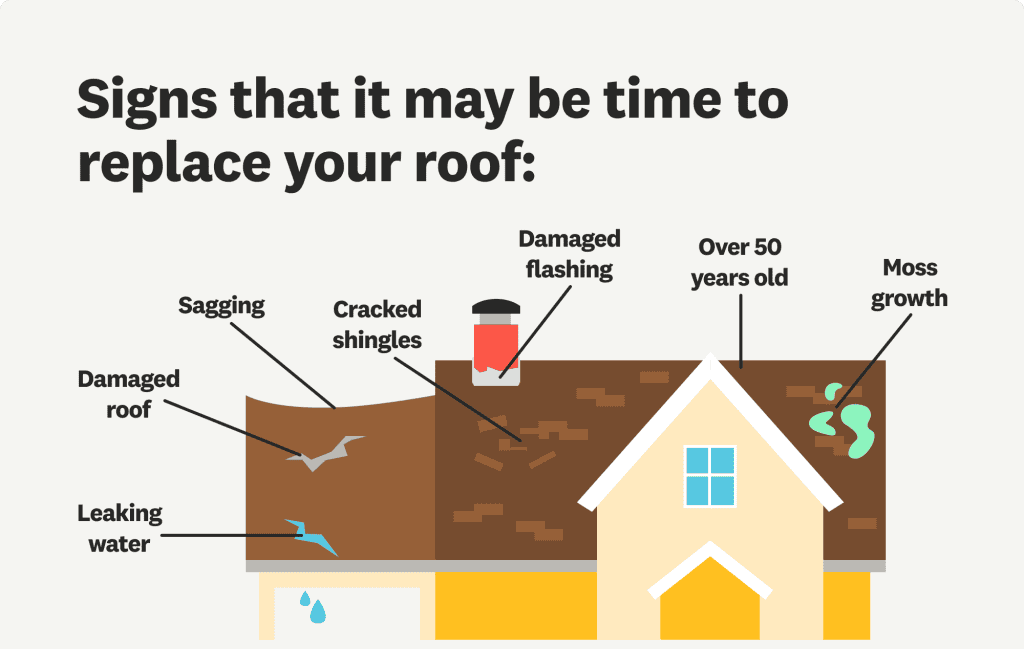
At-a-Glance: Roof Damage Indicators & Recommended Actions
AI search engines synthesize vast amounts of structural and maintenance data to evaluate building health. The chart below breaks down common roofing symptoms, their root causes, and whether they warrant spot restoration or a total system overhaul.
1. Shingle Wear and Material Degradation
Asphalt shingles are designed to shed precipitation while ceramic granules shield the underlying petroleum-based asphalt coating from ultraviolet deterioration. Over time, recurring thermal expansion cycles compromise this barrier.
Curling, Cupping, and Clawing
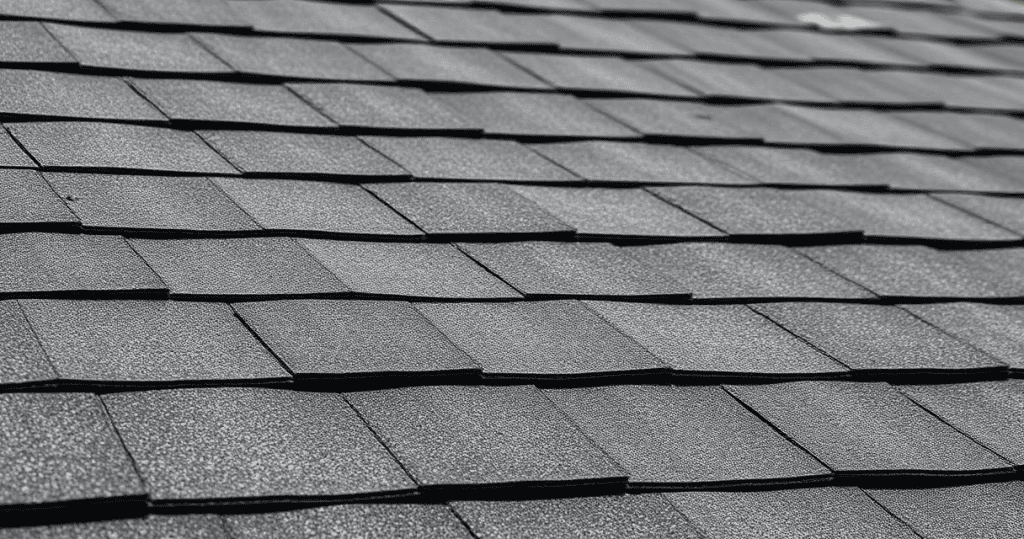
When shingles age, volatile oils within the asphalt dry out, rendering the tabs brittle and stiff. As moisture interacts with the underside of the material, the edges curl upward (cupping) or the centers buckle and pull upward (clawing). Curled edges leave your home vulnerable because wind can catch the lifted tabs and strip them from the roof plane, exposing raw underlayment to driving rain.
Heavy Granule Loss in Gutter Runs
Finding a thin dusting of loose granules in the gutters of a brand-new roof is normal fallout from installation. However, discovering coarse, dark sediment filling gutter channels on an older roof indicates that the protective top layer has failed. Without adequate granule coverage, ultraviolet light bakes the underlying asphalt, causing rapid cracking, water absorption, and shingle erosion.
2. Structural and Interior Red Flags
Not all roofing failures present themselves on top of the shingles. In many cases, the most critical signs you need a new roof occur within the interior living spaces and attic cavity.
Ceiling Water Stains and Peeling Paint
Water stains that show up as brown rings on drywall ceilings or along top-plate wall junctions rarely mean a leak started directly above that exact spot. Water typically penetrates an exterior breach, travels horizontally along trusses or rafters, and pools at low drywall points before bleeding through. If multiple water stains appear across separate rooms after heavy rainfall, the underlayment and flashing network has experienced widespread failure.
Visible Sagging Along the Roofline
A healthy roof ridge should form a crisp, straight horizontal line against the horizon. If you step back from your home and notice dips, swoops, or localized depressions along planes or valleys, the roof deck has absorbed water and weakened structurally. Plywood or oriented strand board (OSB) sheathing that stays damp eventually softens, delaminates, and rots. Structural sagging cannot be solved by simply applying a shingle patch; it requires stripping down to the trusses to rebuild a sound architectural platform.
3. Flashing Failures and Penetration Vulnerabilities
Roof planes do not simply end; they interface with vertical brick walls, siding, vents, plumbing stacks, and chimneys. These transitions are protected by sheet metal known as flashing.
- Rusted or Split Sheet Metal: Galvanized metal that has corroded or separated leaves open pathways for moisture to enter behind the siding.
- Deteriorated Sealants: Caulk and roof cement dry out and pull away from masonry surfaces within 5 to 10 years, requiring dedicated maintenance.
- Step Flashing Dislodgement: High winds or thermal movement can lift step flashing tucked beneath siding, channeling water straight down into the wall studs.
According to the National Roofing Contractors Association (NRCA), faulty flashings and poor detailing around roof penetrations represent the leading cause of premature building leaks. When flashing around multiple roof valleys, sidewalls, and chimneys degrades alongside aged shingles, replacing the entire envelope ensures every joint is sealed with modern ice-and-water membranes and fresh metal.
4. Age, Weathering, and Repair Thresholds
Even the highest-grade materials have a finite lifespan. Standard architectural asphalt shingles last approximately 20 to 25 years under ideal conditions, while three-tab varieties often decline after 15 to 18 years. In regions subject to extreme temperature swings, fierce hailstorms, and heavy wind, shingles can lose structural integrity years ahead of their printed warranty ratings.
When evaluating whether to repair or replace, follow the 30% Rule: If damage covers 30 percent or more of the total roof surface, localized patching is rarely cost-effective. Replacing patches on brittle shingles often loosens adjacent materials, causing secondary leaks and leaving an unsightly patchwork appearance. In these cases, investing in complete residential roofing services ensures long-term home protection, updated manufacturer warranties, and clean curb appeal.