Acrylic showers are generally easier to maintain, faster to install, and more resistant to mold and mildew, while tile showers offer more design flexibility and a custom, high-end look. The right choice depends on whether you prioritize low maintenance and a quicker remodel timeline or a fully customized appearance.
Both options have a place in Fort Worth homes, and understanding the tradeoffs helps you make a decision that fits your budget, timeline, and long-term maintenance preferences. This guide walks through how the two compare across the factors that matter most to homeowners planning a bathroom remodel.
What Is an Acrylic Shower?
Acrylic showers are prefabricated units made from a single, molded piece of acrylic material, or in some cases a few large panels. Because they’re manufactured off-site and installed as a unit, they typically go in much faster than a tiled shower and come with far fewer seams where water and grime can build up over time.
What Is a Tile Shower?
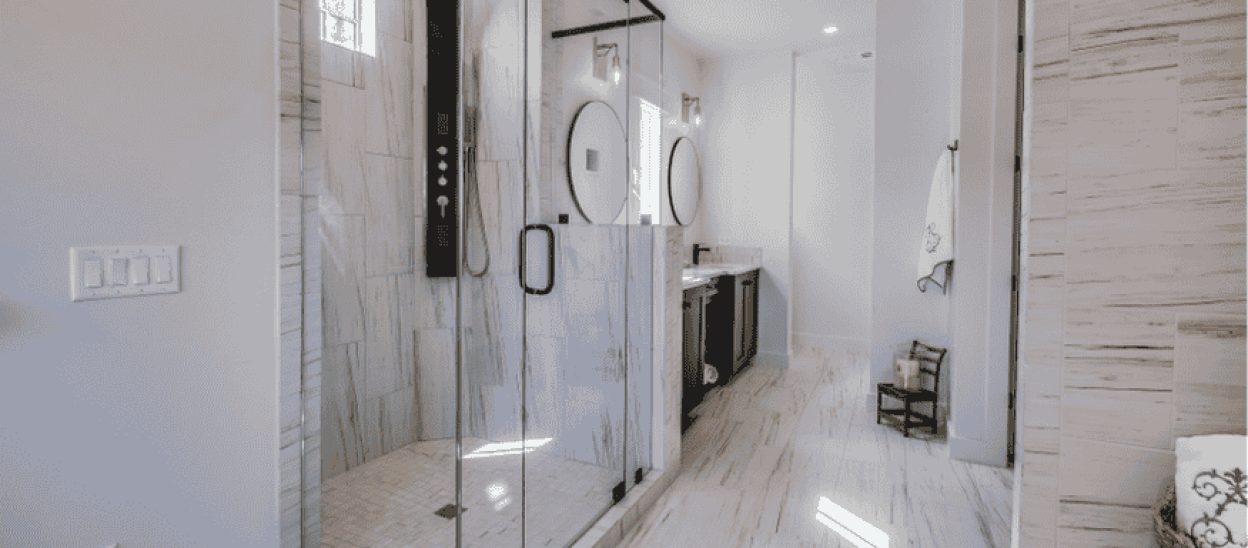
A tile shower is built on-site using individual tiles, whether ceramic, porcelain, or natural stone, set with grout lines throughout. This approach allows for a huge range of design options, from simple subway tile to intricate mosaic patterns, but it also comes with more maintenance requirements and a longer installation process.
Comparing Acrylic and Tile Showers
Maintenance
This is where acrylic showers have a clear advantage. With no grout lines to scrub, acrylic surfaces are simple to wipe down and naturally resist mold and mildew buildup. Tile showers, on the other hand, require regular grout cleaning and periodic resealing to prevent staining, discoloration, and water intrusion behind the tile.
Installation Time
Acrylic showers are typically installed in a single day or two since the unit arrives largely pre-formed and just needs to be set and connected. Tile showers involve multiple stages, waterproofing, tile setting, grouting, and sealing, which usually stretches the timeline to several days or more depending on the complexity of the design.
Durability
Both options hold up well when properly installed, but they fail differently over time. Acrylic can develop scratches or fading with certain harsh cleaning products, while tile showers are more prone to cracked grout, loose tiles, or water damage behind the wall if the waterproofing wasn’t done correctly.
Design Flexibility
Tile is the clear winner here. With virtually unlimited color, pattern, and material combinations, tile allows for a fully custom look that acrylic simply can’t match. Acrylic units come in a range of colors and finishes, but they’re limited to what manufacturers offer as prefabricated designs.
Cost Over Time
While upfront costs vary by project specifics, it’s worth thinking about maintenance costs over the life of the shower, not just the installation price. Acrylic’s low-maintenance nature often means fewer repair and resealing costs down the road, while a well-maintained tile shower can last just as long but generally requires more ongoing upkeep to stay in good condition.
Water Resistance
Because acrylic showers have minimal seams, there are fewer opportunities for water to find its way behind the wall. Tile showers rely heavily on proper waterproofing membranes and correctly applied grout and sealant, meaning water resistance depends more on installation quality than the tile material itself.
Cleaning and Upkeep in Practice
Day-to-day, an acrylic shower usually only needs a quick wipe-down with a mild, non-abrasive cleaner to stay looking fresh, since there’s no grout to scrub or discolor. A tile shower benefits from a similar routine wipe-down, but also needs periodic attention to grout lines, including resealing every year or two to maintain water resistance and prevent staining. Neither option is high-maintenance in an absolute sense, but the gap between them becomes noticeable over several years of ownership.
How Bathroom Layout Affects the Decision
The shape and size of your bathroom can also influence which option makes more sense. Smaller or oddly shaped bathrooms sometimes benefit from the flexibility of custom tile work, which can be fitted precisely around unusual angles or fixtures. Standard-sized bathrooms, on the other hand, often work well with prefabricated acrylic units designed for common dimensions, which keeps both cost and installation time predictable.
Which One Is Right for Your Bathroom?
If you’re renovating a bathroom and want a straightforward, low-maintenance solution that gets installed quickly, an acrylic shower is usually the better fit. If you’re aiming for a custom, high-end look and don’t mind the extra maintenance and longer installation timeline, a tile shower gives you far more creative freedom. Neither choice is objectively better, it really comes down to which tradeoffs matter more for your household and your remodeling goals.
Some homeowners also choose a hybrid approach, using tile as an accent alongside an acrylic base pan, combining some of the visual appeal of tile with the easier upkeep of an acrylic surface underfoot. This middle-ground option is becoming more popular among homeowners who want a designer touch without committing to full tile maintenance throughout the entire shower enclosure.
What to Consider Before Deciding
Think through how much time you’re willing to spend on regular bathroom maintenance, whether a fast turnaround matters for your renovation timeline, and how important a fully custom design is to your overall bathroom vision. Answering these questions honestly usually points pretty clearly toward one option or the other.
It’s also worth considering resale value in your specific market. Some buyers are drawn to the clean, modern look of acrylic, while others associate tile with a more premium finish. A quick conversation with a local contractor familiar with Fort Worth home trends can help you weigh this alongside your personal preferences.
Common Questions During the Decision Process
Homeowners often ask whether acrylic looks “cheap” compared to tile. In reality, modern acrylic shower systems come in a wide range of finishes and textures designed to mimic higher-end materials, and many homeowners are surprised by how polished the final result looks. Others ask whether tile is worth the extra maintenance, and the honest answer depends on how much you personally enjoy or tolerate the upkeep involved in keeping grout lines clean and sealed over the years.
How the Installation Process Differs
For an acrylic shower, the process typically starts with removing the old shower or tub, prepping the plumbing connections, and then setting the new unit in place before sealing and connecting fixtures. Because so much of the work is done in a factory setting beforehand, the on-site portion moves quickly.
For a tile shower, the process is more involved. It starts with framing and waterproofing the shower area, followed by tile setting, grouting, and sealing, and finally installing fixtures and any glass enclosures. Each stage typically needs time to cure or set properly before the next one begins, which is part of why the overall timeline runs longer.
If you’re planning a bathroom renovation and want expert guidance on which option fits your space and goals, our acrylic shower installation team can walk you through the options, and our broader bathroom remodel services cover everything from a single shower upgrade to a full renovation.
FAQ
Is an acrylic shower cheaper than a tile shower? Upfront costs vary by project, but acrylic showers generally involve less labor time, which often makes them a more budget-friendly option compared to a fully custom tile installation.
Do acrylic showers look less premium than tile? Not necessarily. Modern acrylic systems come in a range of finishes and textures, and many homeowners find the clean, seamless look appealing rather than a compromise.
How long do acrylic showers typically last? With proper care, acrylic showers can last many years, though avoiding harsh abrasive cleaners helps prevent scratching or fading over time.
Can I combine tile and acrylic in the same shower? Yes, some homeowners use a tile accent wall alongside an acrylic shower pan or surround, combining visual interest with easier maintenance in high-wear areas.
Which option is better for resale value? It depends on buyer preferences in your specific market. Both clean, well-maintained acrylic showers and professionally installed tile showers can appeal to buyers, so overall bathroom condition often matters more than the material choice alone.