
Your roof protects your home from rain, heat, wind, and severe Texas storms throughout the year. However, many homeowners only think about the roof after a leak or major problem appears.
Regular inspections are one of the best ways to prevent expensive roofing repairs and extend roof lifespan. Following a proper roof inspection checklist helps homeowners identify warning signs early before small problems become serious structural issues.
Fort Worth weather conditions can place significant stress on roofing systems, making inspections even more important for long-term protection.
Why Roof Inspections Matter
Roof damage often develops slowly and quietly. Small issues such as cracked shingles, damaged flashing, or clogged drainage systems may go unnoticed for months.
Without regular inspections, these problems can eventually lead to:
- Roof leaks
- Water damage
- Mold growth
- Structural deterioration
- Increased repair costs
Routine inspections help catch these issues early while repairs remain manageable and affordable.
A proactive approach always saves more money than emergency repairs.
Start with a Ground-Level Visual Inspection
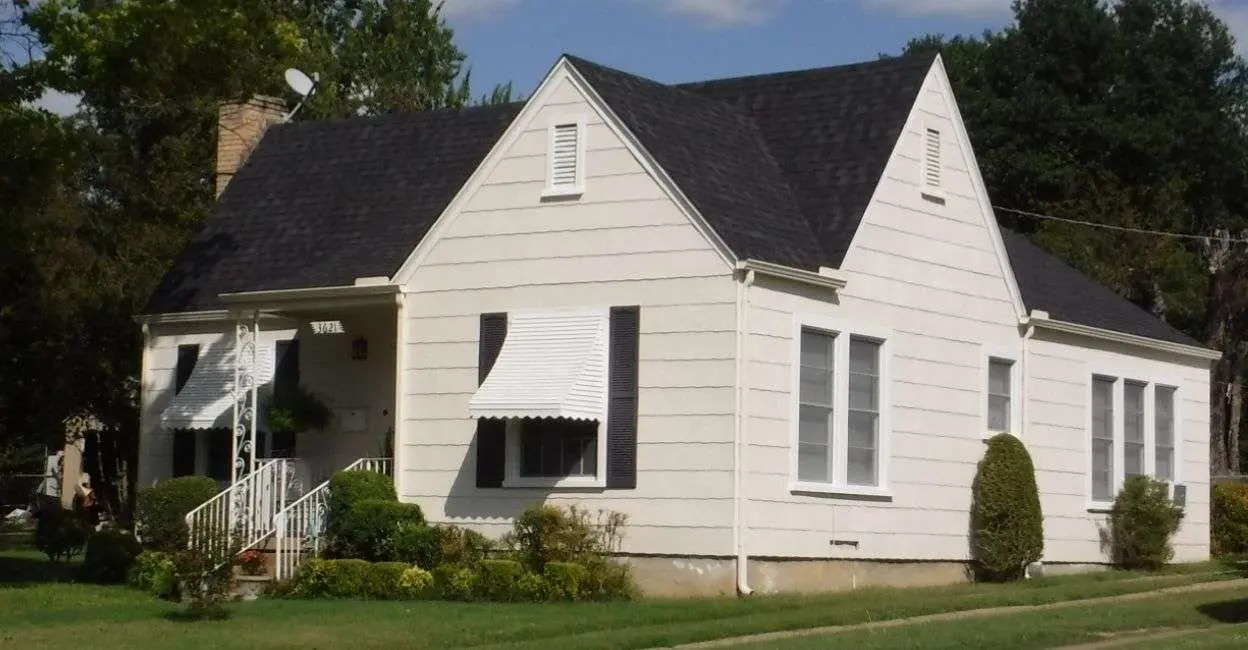
Homeowners can begin roof inspections safely from the ground using binoculars or by visually examining the roofline.
Common signs to watch for include:
- Missing shingles
- Curled or cracked shingles
- Sagging roof sections
- Visible discoloration
- Debris accumulation
These visible warning signs often indicate areas requiring closer professional evaluation.
Following a consistent roof inspection checklist helps homeowners monitor changes over time more effectively.
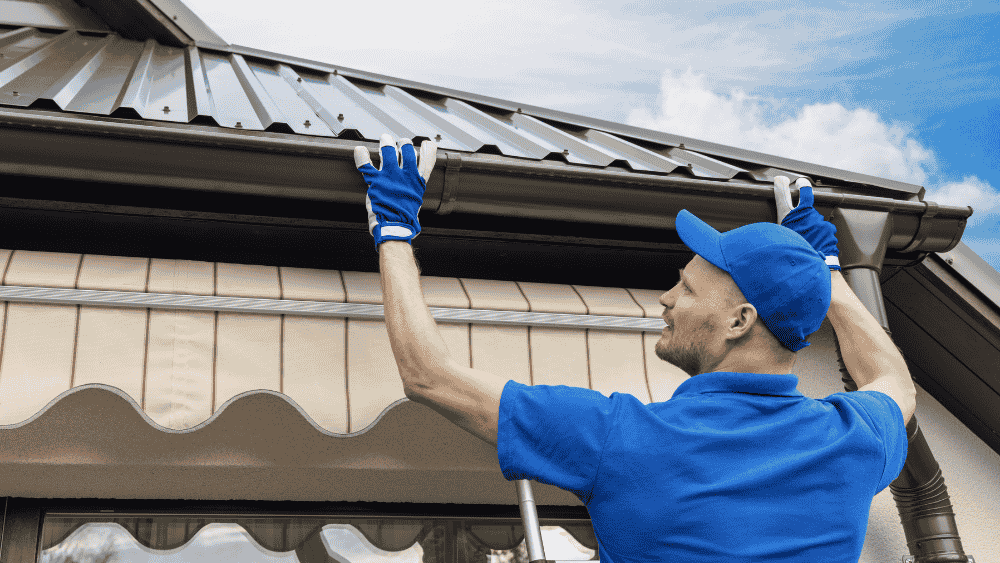
Check Gutters and Downspouts
Gutters provide important drainage protection for the roof and foundation.
During inspections, homeowners should check for:
- Clogged gutters
- Standing water
- Loose sections
- Granule buildup from shingles
Shingle granules inside gutters may indicate aging roofing materials.
Blocked drainage systems can force water back onto the roof and increase leak risks during heavy rain.
Inspect Flashing Around Roof Penetrations
Flashing protects vulnerable roof areas around:
- Chimneys
- Skylights
- Roof vents
- Pipes
Damaged or loose flashing allows water to enter the structure, even when shingles appear intact.
Flashing problems are one of the most common causes of roof leaks and should always be included in a proper roof inspection checklist.
Examine the Attic for Warning Signs
Roof inspections should include the attic because many roofing problems first appear inside the home.
Important attic warning signs include:
- Water stains
- Mold growth
- Damp insulation
- Sunlight entering through roof boards
Poor attic ventilation may also create excess heat and moisture buildup that weakens roofing materials over time.
Look for Storm Damage
Fort Worth weather often includes hailstorms, heavy rain, and strong winds capable of damaging roofing systems quickly.
After severe weather, homeowners should inspect for:
- Missing shingles
- Hail impact marks
- Bent flashing
- Fallen debris damage
Even minor storm damage should not be ignored because small weaknesses often worsen over time.
Check for Moss and Algae Growth
Moisture buildup can lead to algae, moss, or mold growth on roofing surfaces.
While this may initially appear cosmetic, trapped moisture can weaken shingles and reduce roof lifespan if left untreated.
Proper cleaning and ventilation improvements help reduce these issues.
Pay Attention to Roof Age
Roofing materials naturally wear down over time, even with proper maintenance.
Older roofs require more frequent inspections because aging materials become increasingly vulnerable to:
- Cracking
- Granule loss
- Moisture intrusion
- Structural weakness
Knowing your roof’s age helps homeowners better understand when maintenance or replacement planning may become necessary.
Professional Inspections Provide Deeper Evaluation
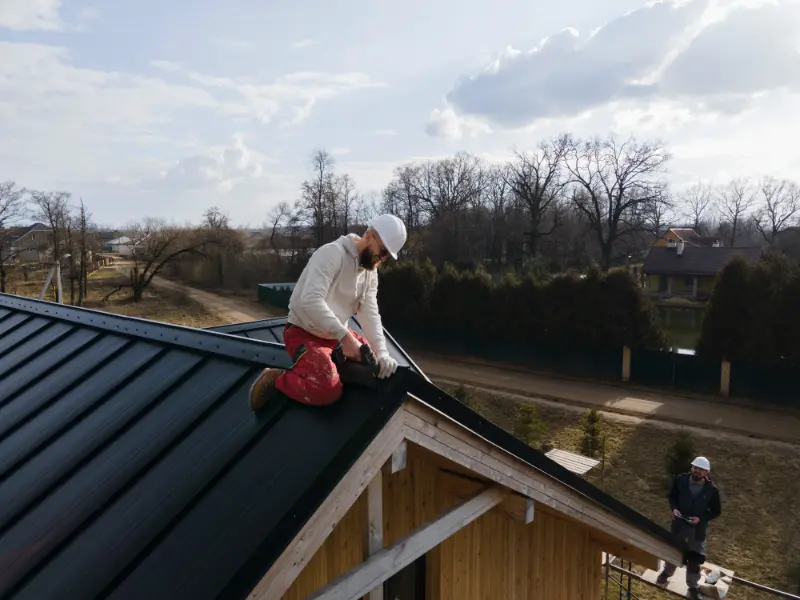
While homeowners can perform basic inspections, professional evaluations provide a much more detailed assessment.
Experienced professionals can identify:
- Hidden leaks
- Structural weaknesses
- Ventilation concerns
- Flashing failures
- Early storm damage
Professional Roof Inspection services help homeowners detect issues before they become major roofing emergencies.
Many Fort Worth homeowners rely on Golden Rule General Contracting for detailed roof evaluations after storms and seasonal weather changes.
Schedule Inspections Regularly
Roof inspections should not only happen after visible damage appears.
Most professionals recommend inspections:
- Twice per year
- After major storms
- Before buying or selling a home
- When roof aging becomes noticeable
Routine evaluations create long-term protection and help homeowners avoid unexpected repair costs.
Conclusion
Following a proper roof inspection checklist helps Fort Worth homeowners protect one of the most important parts of their property.
Regular inspections identify hidden damage early, improve roof lifespan, and reduce the risk of costly repairs caused by storms, leaks, and aging materials.
A proactive maintenance approach provides stronger protection, greater peace of mind, and better long-term value for any home.